

Introduction: Why Educational Toys Matter More Than Ever
As a parent or caregiver, you want your child to grow happy, healthy, and curious about the world. But did you know that the toys your child plays with can significantly impact their cognitive, social, and motor skill development? Educational toys are not just “fun playthings” — they’re tools that shape learning in the earliest stages of life.
In this guide, we’ll explore the key benefits of educational toys, how to choose the right ones for different age groups, and actionable ways to integrate them into everyday play. By the end, you’ll have a clear roadmap to making playtime both enjoyable and educational.
Understanding the Benefits of Educational Toys
Educational toys are designed with a purpose: they teach, engage, and challenge your child while keeping play fun. Here’s what you need to know:
1. Cognitive Development
Toys like building blocks, shape sorters, and memory games help children develop problem-solving skills, logical thinking, and spatial awareness. Studies show that children who regularly play with interactive educational toys demonstrate stronger attention spans and higher readiness for school.
2. Social and Emotional Growth
Role-playing toys, puppet sets, and collaborative games teach empathy, communication, and teamwork. When children engage in cooperative play, they learn to share, negotiate, and express emotions in safe and constructive ways.
3. Physical and Motor Skills
From stacking cups to activity tables, educational toys help improve fine and gross motor skills. Manipulating small objects strengthens hand-eye coordination, while active toys encourage movement and balance.
Choosing the Right Educational Toys for Your Child
Selecting the best toys doesn’t have to be overwhelming. Here are actionable tips to guide your choices:
1. Match Toys to Developmental Stages
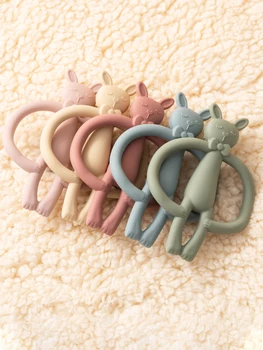
- 0–12 months: Soft sensory toys, rattles, teething rings.
- 1–3 years: Shape sorters, stacking blocks, musical instruments.
- 3–5 years: Puzzles, beginner board games, interactive storytelling kits.
Tip: Look for age recommendations on packaging, but also consider your child’s individual skills and interests.
2. Focus on Safety and Quality
Parents prioritize fun, but safety is non-negotiable. Choose BPA-free, non-toxic materials and avoid small parts for children under three. Durable toys reduce frustration and promote longer-term engagement.
3. Encourage Open-Ended Play
Toys that allow multiple ways to play, such as building blocks or art kits, promote creativity and critical thinking. The more a toy grows with your child, the better value it provides over time.
Making Playtime Educational and Fun
1. Set Daily Play Goals
Even 15–20 minutes of focused play with educational toys can improve learning outcomes. Rotate toys to keep children engaged and avoid overstimulation.
2. Play Together
Parents who actively participate in play foster stronger bonds and reinforce learning. Ask open-ended questions like, “What do you think happens if…?” to stimulate curiosity.
3. Celebrate Achievements
Whether your child completes a puzzle or builds a tower of blocks, celebrate the effort as much as the success. Positive reinforcement builds confidence and motivation to explore new skills.
Trends in Educational Toys for Modern Parents
- STEM-focused kits: Encourage early interest in science, technology, engineering, and math.
- Interactive digital toys: Carefully chosen apps and smart toys complement hands-on learning.
- Sustainable materials: Parents increasingly prefer eco-friendly and ethically made toys.
These trends reflect a shift toward purposeful play that combines education, fun, and sustainability.
Conclusion: Make Every Play Session Count
Educational toys are more than a way to occupy your child — they’re a bridge to learning, creativity, and emotional growth. By choosing age-appropriate, safe, and engaging toys, you can turn everyday play into meaningful developmental milestones.
Start today by exploring toys that match your child’s interests, rotating them regularly, and joining your little one in playtime adventures. Your child’s learning journey begins with the right tools — and the right guidance.
Call to Action: Share this guide with fellow parents or subscribe to our newsletter for more expert tips on choosing safe, fun, and educational toys.






0 Comments